



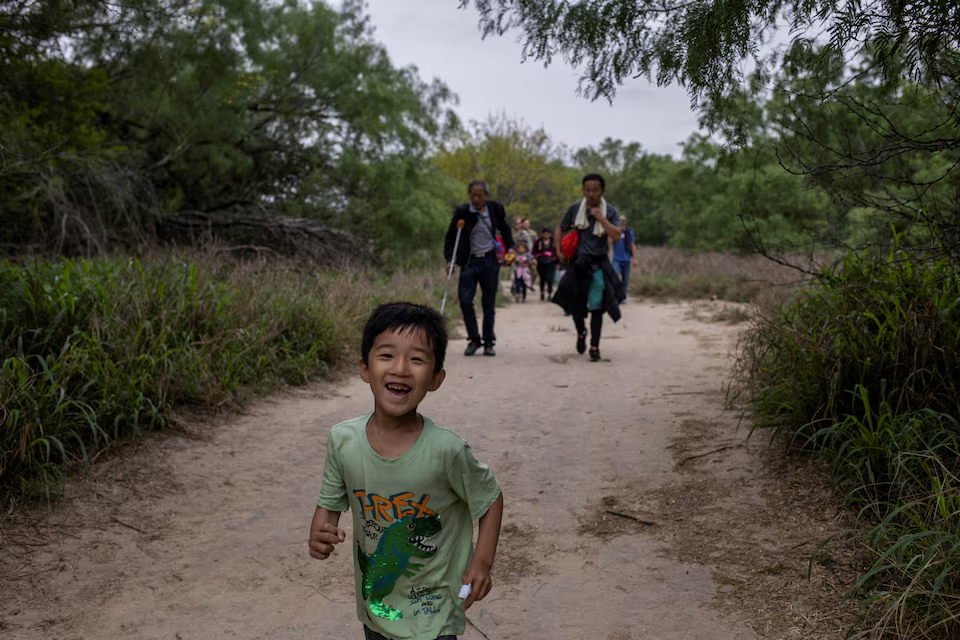
The administration of Donald Trump has warned China that it could impose stricter visa restrictions if Beijing does not step up efforts to accept the return of its nationals living illegally in the United States.
A senior U.S. official said China has slowed cooperation on repatriation in recent months, despite previously agreeing to take back verified citizens. The warning comes just days before Trump’s scheduled May visit to Beijing, where the issue is expected to be raised directly with Xi Jinping.
The visit carries political weight for Trump, who is seeking trade concessions that could strengthen his position ahead of upcoming midterm elections. Immigration enforcement remains a central pillar of his administration’s agenda, with deportations, visa revocations, and stricter screening forming key policies.
According to the official, China initially accepted around 3,000 deportees via charter and commercial flights in early 2025. However, cooperation has declined significantly over the past six months. U.S. authorities argue that Beijing is deliberately delaying the issuance of travel documents required to return individuals, effectively slowing deportation efforts.
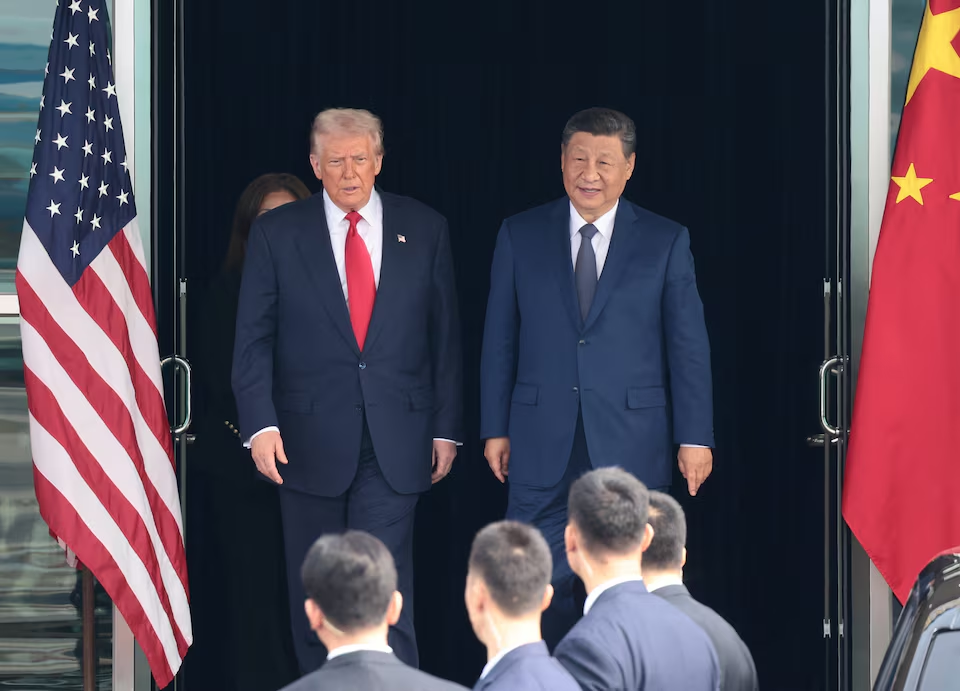
Washington is now considering a range of retaliatory measures. These include increasing financial bonds tied to visa applications, denying more visa requests, and blocking entry for a greater number of Chinese nationals. Officials warned that continued inaction could affect legitimate travellers.
Under U.S. law, countries that refuse to accept deported citizens can face visa sanctions. Authorities have previously classified China as non-cooperative under these provisions, citing long-standing delays in repatriation processes.
The scale of the issue is significant. U.S. estimates indicate there are more than 100,000 undocumented Chinese nationals in the country. Over 30,000 have final removal orders, while more than 1,500 individuals are currently detained and awaiting deportation. Officials noted that many in detention have been involved in additional criminal offences.
The rise in undocumented migration from China accelerated during the COVID-19 period, when economic pressures increased and legal visa pathways became more restricted. Border crossings surged from minimal levels to tens of thousands during that time.
China has consistently stated that it opposes illegal migration but maintains that deportations require proper identity verification and coordination between governments. Beijing has also described migration as a shared international issue that demands cooperation rather than unilateral pressure.
U.S. officials have long suspected that China uses the deportation process as leverage in broader negotiations, at times linking repatriation requests to its own efforts to secure the return of economic or political fugitives from the United States.
The dispute adds another layer of tension to U.S.-China relations, intersecting with trade negotiations, security concerns, and diplomatic strategy as both sides prepare for high-level talks in Beijing.
Discover more from Niyi Daram
Subscribe to get the latest posts sent to your email.
