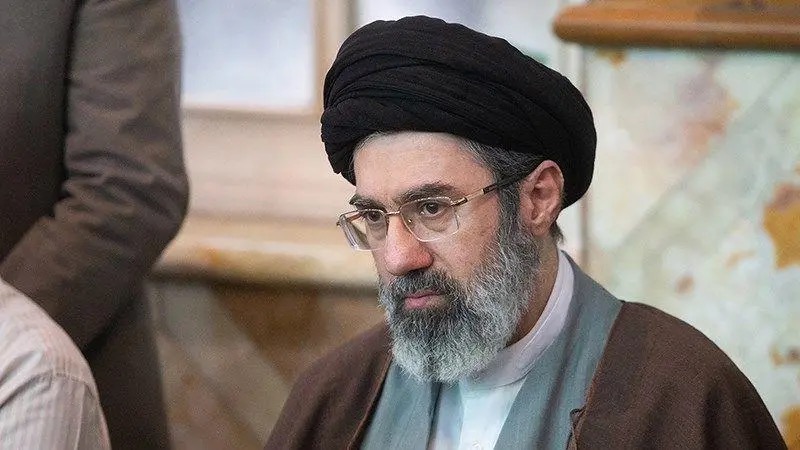
Mojtaba Khamenei has been selected as the new supreme leader of Iran following the reported death of his father, Ali Khamenei, during joint U.S.–Israeli military strikes.
Background
Mojtaba Khamenei, 56, has largely remained out of public view despite longstanding speculation about his political influence inside Iran’s leadership.
- Born 8 September 1969 in Mashhad
- Second of six children of Ali Khamenei
- Educated at Alavi School in Tehran
- Later studied Islamic theology in the clerical centre of Qom
He served briefly in the military during the Iran–Iraq War before entering religious studies.
Behind-the-Scenes Influence
Although he has never held government office or delivered public speeches, leaked U.S. diplomatic cables published by WikiLeaks described him as “the power behind the robes”, suggesting he wielded influence within Iran’s ruling establishment.
His name emerged prominently during the 2005 presidential election, when reformist politician Mehdi Karroubi accused him of helping secure victory for hardline candidate Mahmoud Ahmadinejad.
Similar accusations resurfaced during the 2009 election protests, known as the Green Movement, when mass demonstrations erupted across the country.
Controversy Over Succession
The appointment could prove controversial because the Islamic Republic’s system is meant to select a leader based on religious authority and leadership credentials, not hereditary succession.
Iran’s Assembly of Experts, the clerical body responsible for appointing the supreme leader, formally selects the country’s highest authority.
Mojtaba currently holds the clerical rank of Hojatoleslam, a mid-level position in Shia religious hierarchy. In recent years, some Iranian media began referring to him as Ayatollah, a title that traditionally strengthens eligibility for leadership.
Challenges Ahead
Mojtaba Khamenei now faces major challenges:
- Stabilising Iran after military conflict
- Managing economic pressure from sanctions
- Containing domestic unrest and political opposition
- Preserving the legitimacy of the Islamic Republic
His leadership record remains largely untested, and critics warn the perception of a dynastic transition could deepen dissatisfaction among parts of the Iranian public.