The UK government will grant only temporary protection to newly recognised refugees, ending the long-standing system of automatic five-year protection with a route to settlement.
The change applies from Monday to adults and accompanied children making new asylum claims. It will be implemented through rule changes without a parliamentary vote.
Key Changes
- Refugee status will be reviewed every 30 months.
- Individuals may be returned to their country of origin if conditions are judged safe.
- Those who have already applied remain under existing rules: five years’ protection and family reunion rights.
- Unaccompanied children will continue to receive five years’ protection pending a longer-term policy decision.
Further proposals requiring legislation include doubling the standard route to permanent residency from five to 10 years. For refugees, permanent settlement could take up to 20 years.
Government Rationale
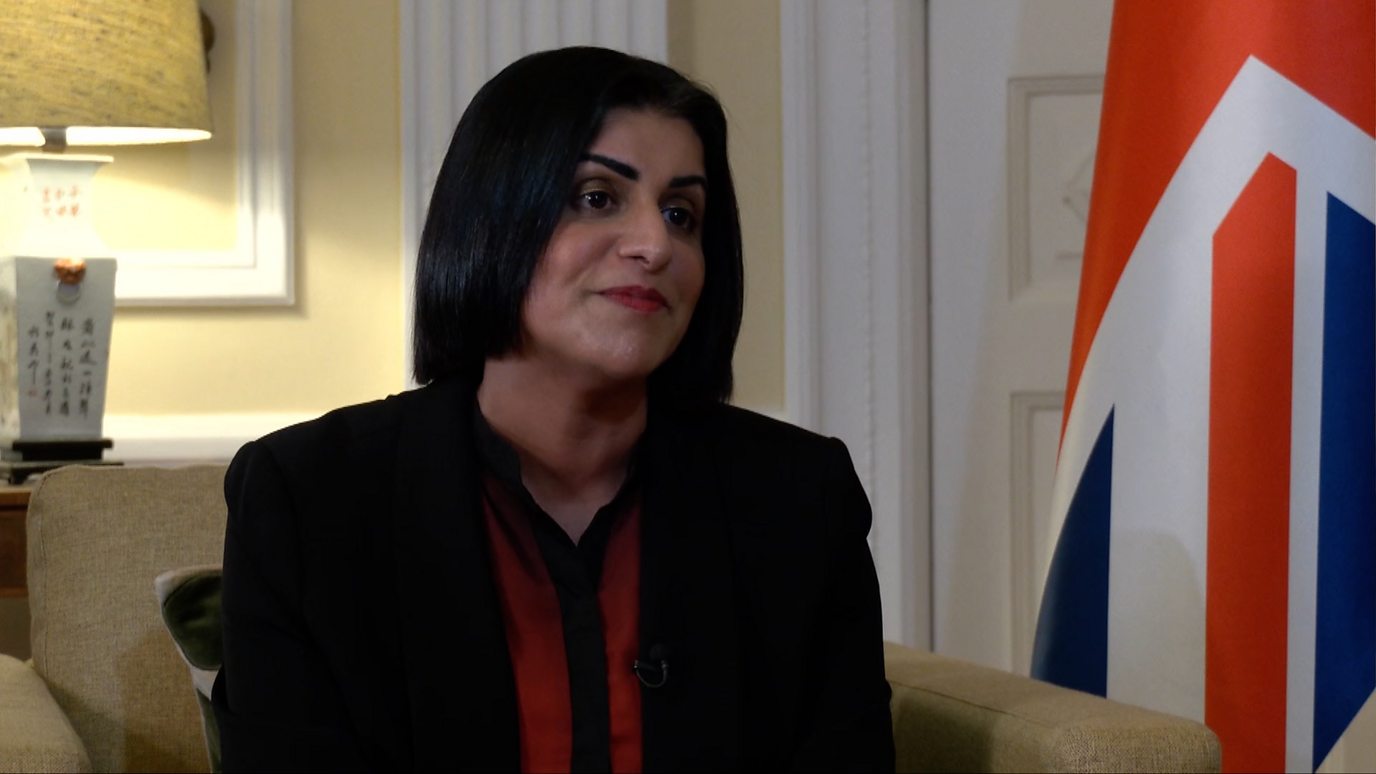
Mahmood argues the reform shifts the UK from a presumption of permanent refuge to temporary protection, aiming to deter irregular Channel crossings and restore public confidence in border control.
She has cited Denmark’s model under the Social Democrats as a reference point. Denmark reviews refugee cases at least every two years.
Mahmood has ruled out leaving the European Convention on Human Rights but is seeking changes in its domestic interpretation to increase removals.
Political Reaction
Criticism has emerged within Labour, with some MPs warning the policy echoes rhetoric associated with Reform UK. The issue intensified after Labour lost Gorton and Denton to the Green Party.
Kemi Badenoch said the government is attempting difficult reforms but argued more action is needed.
Charities including the Refugee Council warn repeated reviews could hinder integration and employment, increase administrative costs, and create prolonged uncertainty for recognised refugees.
Context
In 2025, 41,472 people crossed the Channel in small boats, an increase on the previous year. Mahmood has pledged to end the use of asylum hotels and expand reception-style accommodation.
The policy marks one of the most significant structural shifts in the UK asylum system in decades, replacing an assumption of long-term settlement with conditional, renewable protection.