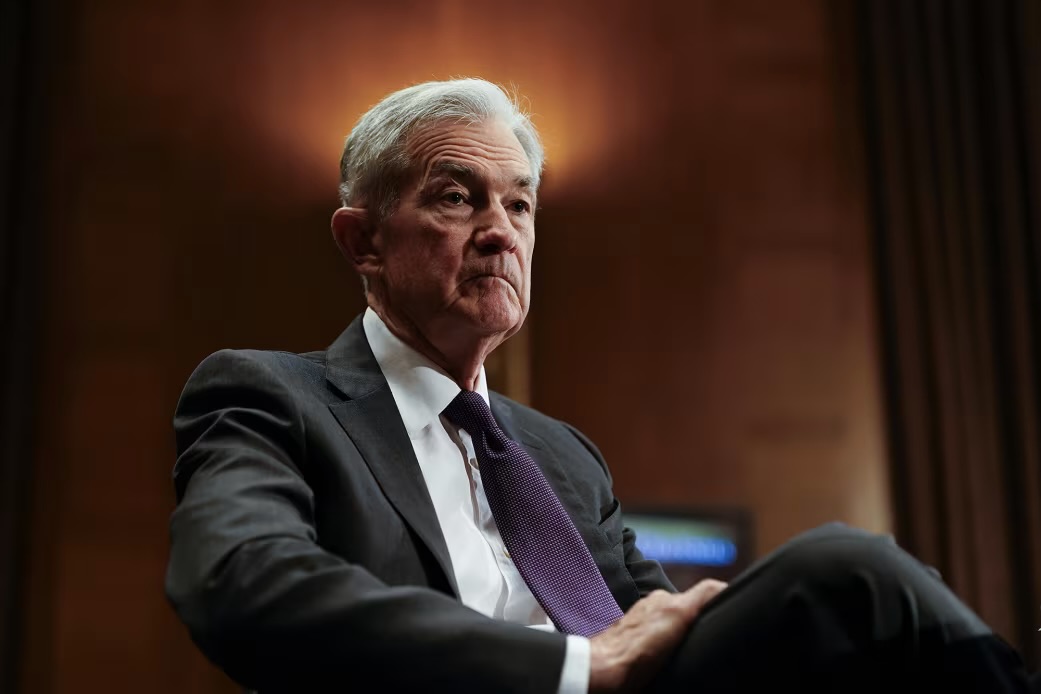
The long running clash between Federal Reserve chair Jerome Powell and President Donald Trump has entered a dramatic new phase, with Powell openly accusing the Trump administration of threatening the independence of the US central bank.
After years of refusing to engage with Trump’s attacks and threats, Powell broke his silence following subpoenas from the Justice Department. In a rare two minute video statement, he said the potential criminal prosecution was not about personal misconduct but about punishing the Federal Reserve for refusing to follow political demands on interest rates.
Powell said the threat of criminal charges was the result of the Fed setting rates based on economic evidence rather than the president’s preferences, warning that it raised a fundamental question about whether US monetary policy would be guided by data or by political intimidation.

The move marked a sharp departure from Powell’s long held strategy of neutrality. He has consistently argued that the Fed’s independence is essential to its mission of keeping inflation under control and employment strong, even when doing so is politically unpopular. Economists widely agree that an independent central bank protects the economy from short term political pressure that can fuel inflation and financial instability.
Powell has repeatedly defended that principle in public, warning that allowing politicians to influence interest rate decisions would invite manipulation for electoral gain. His only previous direct defiance of Trump came in 2024, when he said he could not legally be fired from his post.
The latest confrontation triggered an unprecedented show of support from global central bank leaders, who issued a joint statement backing Powell and stressing that central bank independence is a cornerstone of financial and economic stability. They praised his integrity and commitment to the public interest.
The Trump administration has accused Powell of mismanaging the Federal Reserve’s headquarters renovation and of misleading Congress about the costs. Trump allies claim he made false statements, though the Fed has published detailed explanations of the overruns and opened the project to media scrutiny.
Legal experts say proving that Powell lied under oath would be difficult, and some Republicans in Congress have expressed concern about the investigation. Powell’s term as Fed chair ends in May, though he remains a member of the board until 2028.
Analysts warn that Trump’s pressure campaign could backfire. To avoid any appearance of political influence, the Fed may become more cautious about cutting rates, potentially limiting the very monetary easing Trump wants.