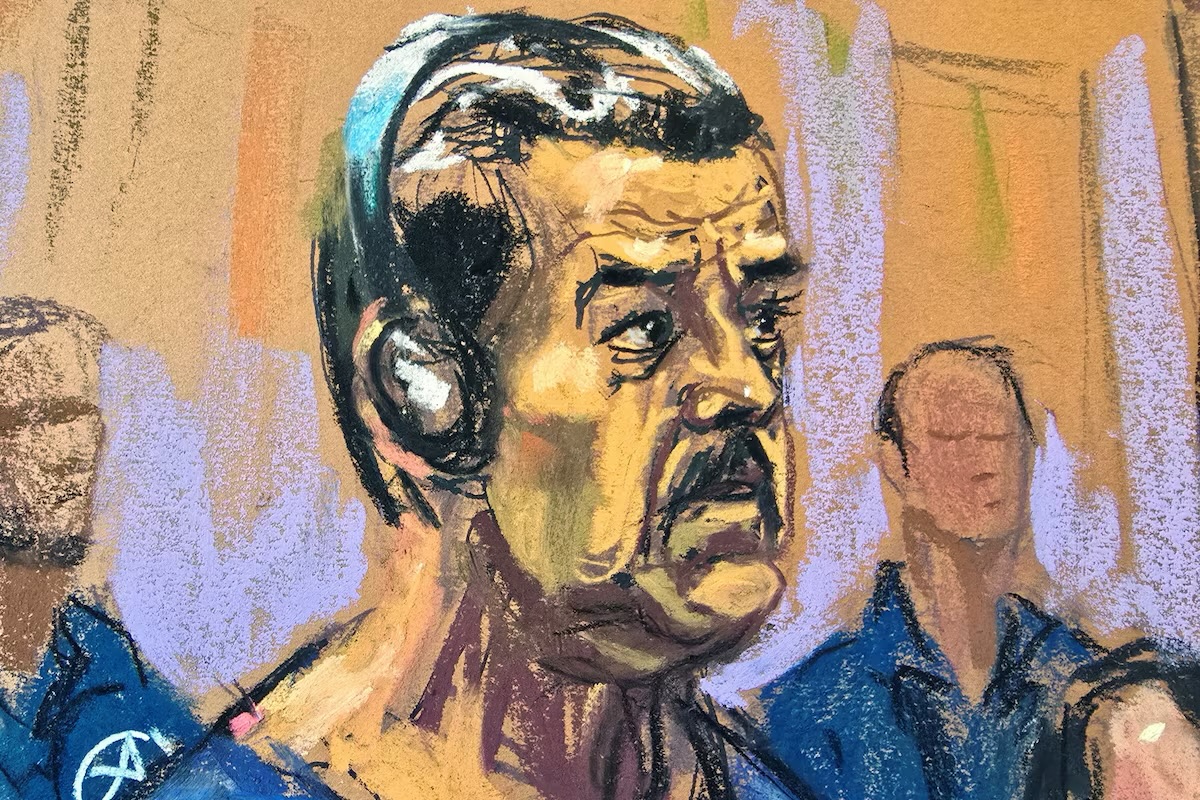
Venezuela’s former president Nicolás Maduro is set to appear again in a U.S. federal court as a dispute over how his legal defense will be funded takes center stage.
Maduro and his wife, Cilia Flores, are facing U.S. charges including drug trafficking and “narco-terrorism” after being captured in a January operation and transferred to New York, where they remain in custody. Both have pleaded not guilty.
The latest hearing focuses on whether Maduro can access funds to pay his legal team. His lawyers argue that U.S. sanctions are blocking the Venezuelan government from covering his legal costs, which they say violates his constitutional right to legal representation.
His attorney has warned he may withdraw from the case if payment issues are not resolved.
U.S. prosecutors reject that argument, stating Maduro is not recognized as Venezuela’s legitimate president and therefore cannot rely on state funds for his defense. They say he can use personal resources instead.
The case is also significant because it tests a rarely used U.S. “narco-terrorism” statute, which carries severe penalties but has historically been difficult to prosecute successfully.
If convicted, Maduro could face decades in prison or a life sentence.
The proceedings highlight broader geopolitical tensions, with legal arguments intertwined with U.S. sanctions policy, recognition of Venezuela’s leadership, and the circumstances surrounding Maduro’s capture.