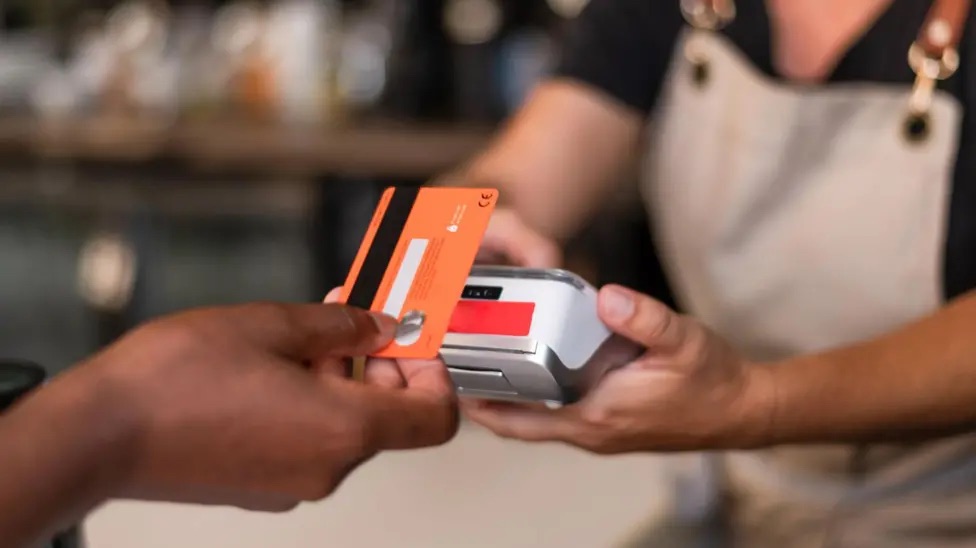
Millions of people will soon be able to set their own contactless card payment limits, or remove limits entirely, after the UK’s financial regulator confirmed changes to the rules.
From March, banks and card providers will be allowed to set a maximum single contactless payment amount above the current £100 limit, or introduce no limit at all, without requiring customers to enter a PIN. The Financial Conduct Authority (FCA) is also encouraging providers to give cardholders the option to choose their own limits or disable contactless payments completely. Some banks already offer these controls.
Despite the regulatory change, the FCA said it does not expect banks to immediately raise or remove the £100 limit, though firms will have the flexibility to do so.
The contactless payment limit has steadily increased since its introduction in 2007, when it was capped at £10. It rose to £15 in 2010, £20 in 2012, £30 in 2015, £45 during the Covid pandemic in 2020, and finally to £100 in October 2021.

While physical cards currently have a £100 limit, smartphone payments already allow unlimited spending, protected by security measures such as fingerprint or facial recognition.
The FCA acknowledged concerns that higher limits could increase the risk of theft or fraud, but said safeguards would remain in place, including requirements to enter a PIN after multiple contactless transactions. The regulator also confirmed that consumers would be reimbursed for money lost to fraud.
David Geale, the FCA’s executive director of payments and digital finance, said the aim was to provide flexibility and choice as contactless payments continue to grow in popularity.
Other countries, including Canada, Australia and New Zealand, already allow industry-set contactless limits.
However, the move comes despite limited public support. An FCA survey found that 78% of consumers opposed changing the current £100 cap. Critics have also warned that unlimited contactless payments could encourage impulsive spending, particularly on credit cards, and increase debt.
Financial abuse charities have raised additional concerns, warning that higher or unlimited limits could make it easier for abusers to drain victims’ accounts and accelerate the shift away from cash, which remains essential for some vulnerable people.
As bank branch closures continue, efforts to protect access to cash are ongoing. Cash Access UK recently opened its 200th shared banking hub in Billericay, Essex, aimed at ensuring continued access to cash and basic banking services.