




U.S. President Donald Trump has played down the possibility of seeking a third term in 2028, acknowledging that the U.S. Constitution imposes a strong legal barrier preventing him from being elected president again.
Speaking to reporters at Joint Base Andrews in Maryland on Tuesday night, Trump said he continued to hear calls from supporters urging him to run again.
“Everybody asks me that question, and you know that the law is very strong on that,” Trump said. “I’d love to run, but the law is very strong.”
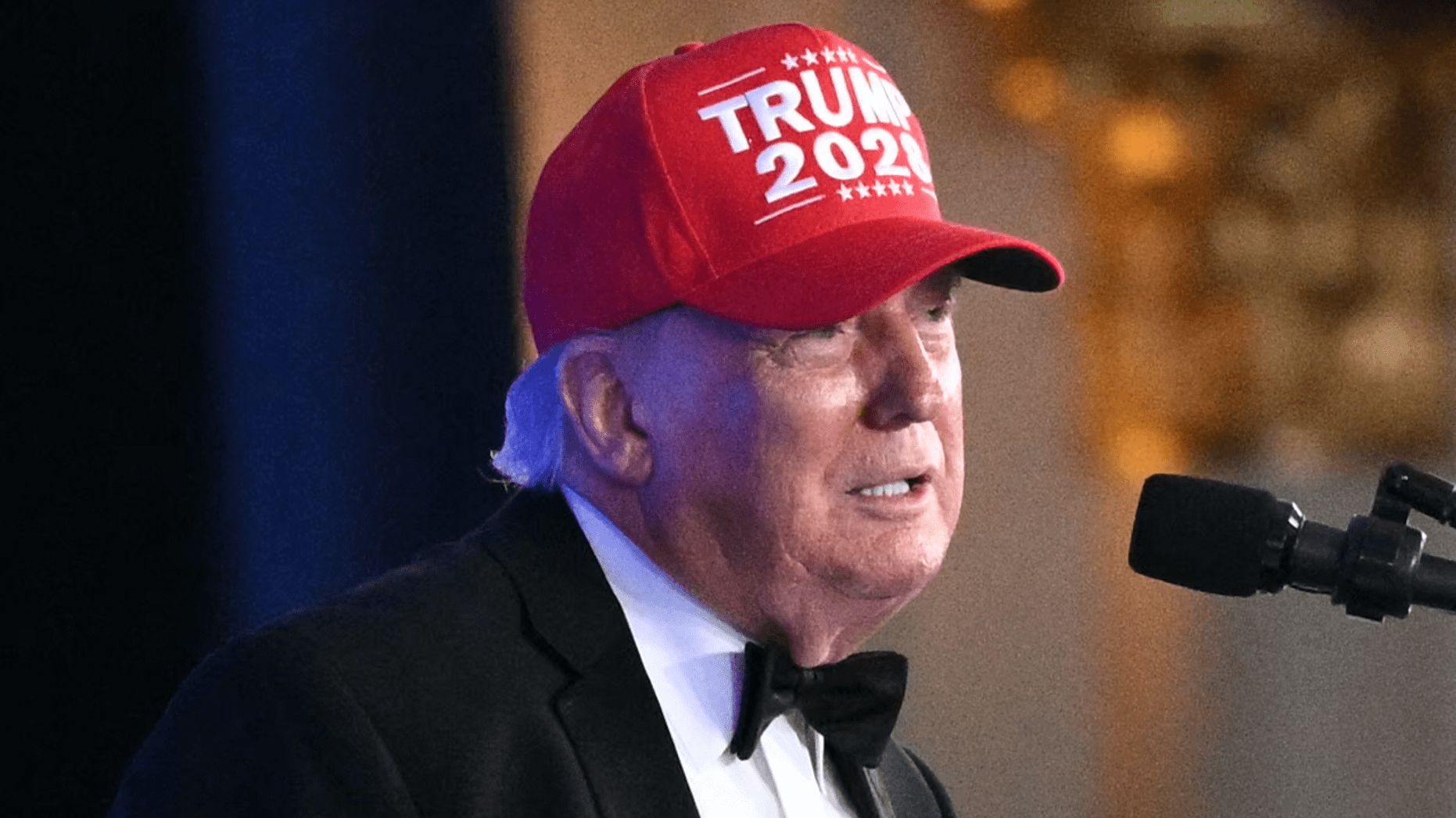
Trump said supporters had shouted “2028” during the Patriot Games he attended earlier in the day, but again pointed to the constitutional restriction on another presidential campaign.
The 22nd Amendment states that no person may be elected president more than twice. Ratified in 1951, the amendment was introduced following Franklin D. Roosevelt’s unprecedented four presidential election victories.
Before Roosevelt, presidents generally followed the two-term precedent established by George Washington.
Trump has repeatedly raised the prospect of remaining in power beyond his second term, sometimes joking about the possibility and at other times suggesting that alternative legal mechanisms could be explored.
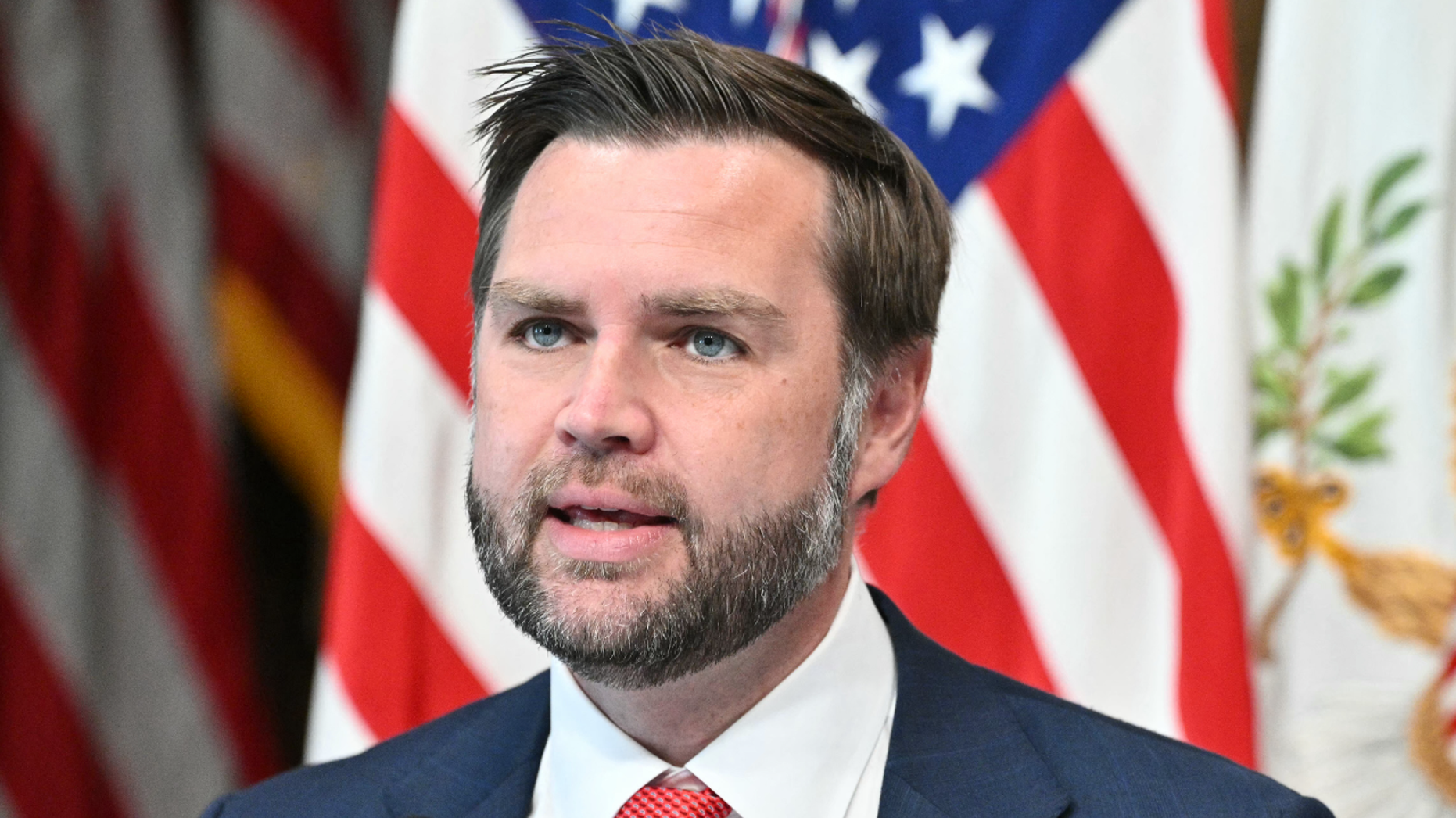
During the White House Correspondents’ Dinner in July, Trump appeared wearing a “Trump 2028” hat and joked that while his second presidency was better than his first, “the third time will be better yet,” before saying he was kidding.
His comments have not always been framed as jokes. During a March 2025 interview, Trump said he was “not joking” about the possibility and claimed there were “methods” through which it might be accomplished.
One scenario discussed involved Vice President JD Vance running for president with Trump as his vice-presidential candidate and subsequently resigning after taking office, potentially allowing Trump to succeed him.
However, many constitutional scholars argue that such an arrangement would face another constitutional obstacle.
The 12th Amendment provides that anyone constitutionally ineligible to serve as president is also ineligible to serve as vice president. Scholars have argued that this provision, combined with the 22nd Amendment, would prevent Trump from using the vice presidency as a route to another presidential term.
Trump’s latest remarks represent a more explicit acknowledgement of the constitutional barrier, although he stopped short of categorically ruling out another attempt to remain in office beyond January 2029.
Discover more from Niyi Daram
Subscribe to get the latest posts sent to your email.
